I remember sitting on my grandmother’s kitchen floor in Vermont, surrounded by scraps of floral calico and the heavy, sweet scent of cinnamon apples, feeling my heart race just thinking about what came next. Even back then, I’d find myself spiraling, wondering if I’d ever be “enough” or if the life I was building would actually hold together. It’s funny how we think we can solve the unknown by overthinking it, but staring at a pile of unspun wool or a messy countertop doesn’t give you answers; it just leaves you feeling completely overwhelmed. I’ve learned the hard way that learning how to manage worry about the future isn’t about having a crystal ball or a perfectly organized planner—it’s about finding your footing in the present moment.
I’m not here to give you any of those hollow, “just think positive” platitudes that feel as empty as a hollow chocolate shell. Instead, I want to share the grounded, hands-on wisdom I’ve gathered from years of navigating life’s messy transitions, much like perfecting a temperamental sourdough or stitching a complex quilt pattern. We are going to talk about how to quiet that mental noise by focusing on the small, beautiful things we can actually control right now.
Table of Contents
- Mindfulness for Future Anxiety Savoring the Present Moment
- Grounding Techniques for Anxiety Finding Your Center Amidst Change
- Stitching Together a Sense of Control: 5 Ways to Quiet the "What-Ifs"
- Small Steps Toward a Calmer Tomorrow
- ## The Slow Magic of the Unfolding Story
- Stitching Together Your Peace
- Frequently Asked Questions
Mindfulness for Future Anxiety Savoring the Present Moment
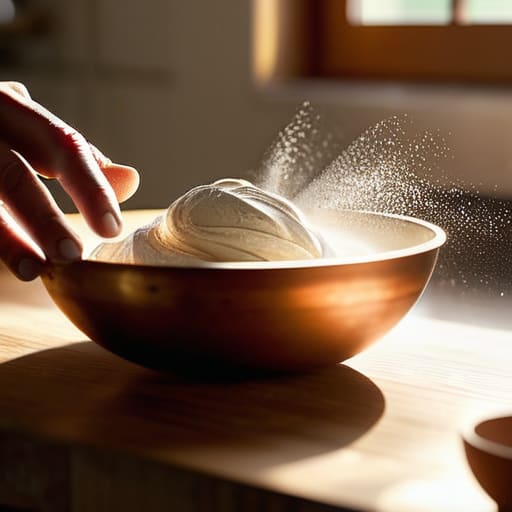
When I was working in a high-pressure pastry kitchen, the rush of a holiday weekend could feel absolutely overwhelming. I’d find myself spiraling, worrying about a dozen soufflés that hadn’t even gone into the oven yet. I learned quickly that when my mind started racing toward “what ifs,” I had to pull myself back to the here and now. One of my favorite grounding techniques for anxiety is to focus entirely on the sensory details of what I’m doing—the rhythmic sound of a whisk against a copper bowl or the sweet, heady scent of vanilla bean. It’s about finding that stillness in the middle of the movement.
Practicing mindfulness for future anxiety is a lot like working on a complex quilt pattern. If you stare too hard at the finished piece before you’ve even cut your fabric, you’ll lose the joy of the process. Instead, try to focus on the single stitch you are making right this second. When we ground ourselves in our immediate senses, we create a little sanctuary of calm that helps us navigate the unknown with a bit more grace and steady hands.
Grounding Techniques for Anxiety Finding Your Center Amidst Change
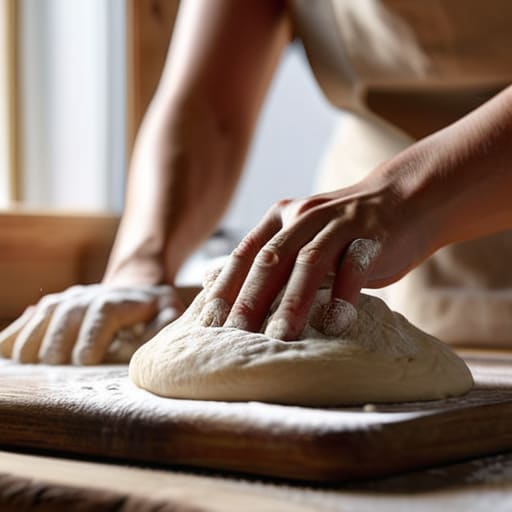
When the world feels like it’s spinning a little too fast, I often find myself leaning on the same steadying rhythms I used back in the pastry kitchen. When a massive order was looming and my nerves started to fray, I’d focus entirely on the tactile sensation of flour between my fingers or the rhythmic thump-thump of kneading dough. These are more than just kitchen tasks; they are powerful grounding techniques for anxiety that pull you out of that swirling mental fog and back into your physical body. Whether it’s feeling the weight of a heavy quilt against your legs or the cool smoothness of a ceramic bowl, connecting with your senses helps anchor you when the “what-ifs” start to feel overwhelming.
It’s also so important to learn the art of distinguishing productive planning from rumination. In my quilting, if I spend hours staring at a scrap of fabric without actually cutting it, I’m not making progress—I’m just circling the same problem. Life is much the same. If your thoughts are helping you prepare a real-world solution, lean into them. But if you’re just spinning your wheels in a cycle of worry, try to gently redirect that energy back to the small, tangible task right in front of you.
Stitching Together a Sense of Control: 5 Ways to Quiet the "What-Ifs"
- Focus on your “Daily Mise en Place.” Just like I wouldn’t start a complex soufflé without measuring out every gram of sugar and flour first, you can manage future dread by organizing your immediate surroundings. When the big picture feels blurry, tidy your workspace, prep your meals for tomorrow, or lay out your sewing patterns. Small, tactile wins create a sense of order that helps settle a racing mind.
- Embrace the “Slow Cooker” Philosophy. We live in such a rush to see the finished product, but some things—like a rich ragù or a beautiful quilt—simply cannot be rushed. When you feel anxious about where you’ll be in five years, remind yourself that life has its own simmering process. You don’t need to have the final result today; you just need to keep the heat low and steady.
- Create a “Creative Anchor.” When my mind starts spiraling into “what-if” scenarios, I reach for my scrap fabric or my heavy rolling pin. Engaging your hands in a rhythmic, repetitive motion—like quilting a simple block or kneading bread dough—forces your brain to move out of the abstract future and back into your physical body. It’s hard to worry about next year when you’re focused on the tension of a single thread.
- Curate Your “Input Pantry.” Think about what you’re consuming mentally the same way you’d think about the ingredients in a delicate sponge cake. If you’re constantly scrolling through stressful news or comparing your life to polished social media feeds, you’re adding bitter ingredients to your mental state. Instead, fill your “pantry” with vintage books, calming music, or stories that nourish your soul rather than drain it.
- Write Your Own Recipe for Resilience. Instead of letting your worries remain as vague, scary clouds, grab a notebook and write them down. Treat them like a messy first draft of a recipe. Once they are on paper, you can look at them objectively and decide which parts are actually actionable (the “ingredients” you can work with) and which parts are just “spilled salt”—noise that you can choose to wipe away and move past.
Small Steps Toward a Calmer Tomorrow
Just like a complex quilt or a multi-layered pastry, life is built one small stitch or one fold at a time; focus on the single step right in front of you rather than the finished product.
Find your anchor in the sensory details of the present—the warmth of a tea mug or the texture of fabric—to gently pull your mind back from the “what-ifs” of the future.
Trust in the slow magic of the process, knowing that even when the recipe looks messy in the middle, you are creating something meaningful one moment at a time.
## The Slow Magic of the Unfolding Story
“Just like waiting for a sourdough starter to bubble or a hand-stitched quilt to slowly take shape, we can’t rush the unknown; sometimes the best way to quiet the worry of tomorrow is to trust the slow, beautiful magic of the process we’re in right now.”
Clara Thompson
Stitching Together Your Peace
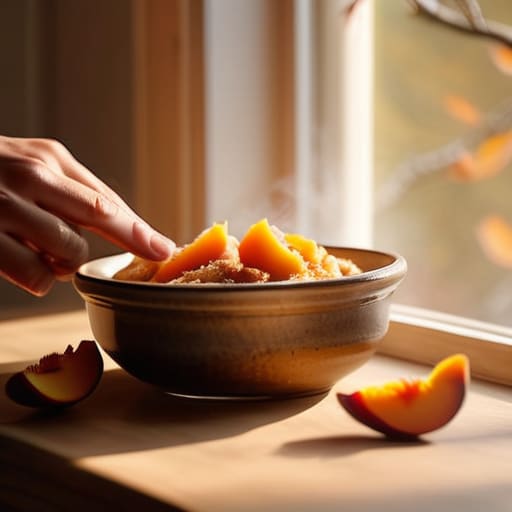
As we wrap up our little chat today, I want you to remember that managing worry isn’t about forcing the world to stand still; it’s about finding your own rhythm within the chaos. We’ve talked about the importance of mindfulness—learning to savor the sweetness of the present moment just like the first bite of a warm peach cobbler—and how grounding techniques can act as your anchor when the winds of change start to blow. Whether you are focusing on your breath or finding your center through a tactile hobby, these tools are meant to help you navigate the uncertainty without losing yourself in the “what ifs.”
At the end of the day, life is a lot like a complex quilt or a delicate soufflé; you can’t control every single thread or every degree of temperature in the oven, but you can certainly control how you tend to the process. Don’t be too hard on yourself if some days feel more frayed than others. Just keep showing up, one stitch and one mindful breath at a time, and trust that you are building something beautiful even in the midst of the unknown. You have the strength to create a life that feels warm, intentional, and uniquely yours.
Frequently Asked Questions
When the "what-ifs" start swirling like a messy kitchen, how can I tell the difference between productive planning and just spiraling into worry?
Think of it like prepping for a big holiday dinner. Productive planning is like carefully measuring out your flour and chilling your butter—it’s intentional, organized, and moves you toward a finished result. Spiraling, though, is like staring at a pile of unwashed dishes and feeling paralyzed by the mess. If your thoughts are helping you create a “recipe” for action, keep going. But if you’re just spinning your wheels in the flour dust, it’s time to step away.
Are there any small, creative rituals I can do—maybe something with my hands like stitching or baking—to help quiet my mind when I'm feeling overwhelmed?
Oh, I know that feeling all too well—when the mind starts racing faster than a whisk in a meringue! When I’m feeling overwhelmed, I turn to my “slow crafts.” There’s something so grounding about the rhythmic pull of a needle through fabric or the tactile feel of kneading dough. Try picking up a small embroidery hoop or even just folding some simple pastry dough. Letting your hands move in a repetitive, gentle motion helps quiet the noise.
How do I stay present and enjoy the "now" without feeling guilty that I'm not constantly preparing for everything that might go wrong tomorrow?
Oh, I know that feeling all too well. It’s like being mid-stitch on a beautiful quilt pattern and suddenly worrying if you’ve enough thread left for next month. But listen, honey: if you spend all your time prepping the dough, you’ll miss the sweet aroma of it rising right in front of you. Trust that your preparation is already happening. Give yourself permission to set down the “to-do” list and just taste the moment.
