I still remember the chaotic hum of my first professional kitchen in New York, where the air was thick with the scent of burnt sugar and the frantic energy of three chefs all trying to claim the same stovetop at once. It wasn’t just about the recipes; it was the total lack of a rhythm that left us all feeling frayed and exhausted. I realized then that whether you’re managing a high-end pastry station or just trying to keep a family home from descending into madness, knowing how to organise a shared household schedule isn’t about rigid rules or fancy apps—it’s about finding a shared heartbeat.
I’m not here to sell you on some complicated, high-tech productivity system that takes more work to maintain than the actual chores themselves. Instead, I want to share the simple, soulful methods I’ve learned from both the kitchen and my quilting room to help you weave order into your daily life. I promise to give you honest, no-nonsense guidance on creating a flow that feels less like a chore list and more like a way to clear the space for what truly matters: enjoying your home and the people in it.
Table of Contents
The Art of Fair Division of Labor

When I first moved into my little apartment in the city, I quickly learned that a home only feels like a sanctuary when everyone feels like they’re contributing to its warmth. I like to think of the fair division of labor much like a complex recipe; if one person is doing all the heavy lifting while others are just watching the timer, the whole thing ends up feeling a bit bitter. It isn’t about keeping a strict tally of every single dish washed, but rather about ensuring that no one person feels the weight of the world on their shoulders.
To keep things flowing smoothly, I’ve found that sitting down to map out a weekly household routine together can prevent so much unnecessary friction. Instead of letting resentment simmer like a forgotten pot on the stove, try discussing your preferences openly. Some of my favorite co-living management tips involve identifying who actually enjoys which task—perhaps one roommate finds peace in vacuuming while another prefers the rhythmic calm of folding laundry. When we align our chores with our natural inclinations, the housework stops feeling like a burden and starts feeling like a shared act of care for our little home.
Designing Your Weekly Household Routine

Once you’ve settled on how to divvy up the work, it’s time to sketch out the actual flow of your week. I like to think of a weekly household routine much like a recipe; if you don’t time your steps correctly, things can get a little messy! Instead of trying to tackle every single chore on a Tuesday evening when everyone is exhausted, try spreading them out. Maybe Monday is for a quick tidy-up, while Saturday mornings are reserved for the deeper cleaning tasks. This rhythmic approach prevents that overwhelming feeling of a mountain of laundry or a sink full of dishes looming over you.
To keep things running smoothly without constant nagging, I’ve found that leaning on a little bit of technology can be a lifesaver. Using digital chore trackers or even a simple shared calendar can take the guesswork out of who is doing what. It turns managing domestic duties from a source of tension into a shared, transparent goal. When everyone can see the plan at a glance, it feels less like a set of rules and more like a collaborative dance that keeps your home feeling peaceful and bright.
Five Little Ways to Stitch Together a Smoother Schedule
- Sit down with a warm cup of tea and talk it out. Just like choosing the right fabric for a quilt, you need to understand everyone’s “texture”—what they love doing, what they dread, and when they have the most energy—before you start pinning anything down.
- Use a visual anchor in your home. Whether it’s a beautiful chalkboard in the kitchen or a vintage linen calendar, having your schedule where everyone can see it prevents those “I didn’t know that was my turn” moments from souring the mood.
- Build in “buffer time” for the unexpected. Life rarely follows a recipe perfectly; sometimes a flour spill happens or a friend drops by unexpectedly. Leave little gaps in your schedule so a single delay doesn’t unravel your entire week.
- Focus on rhythms rather than rigid rules. Instead of a strict minute-by-minute itinerary, try creating gentle flows—like a “slow Sunday” for meal prep or a “tidy Tuesday” for laundry—to make the chores feel less like work and more like a natural part of your home’s heartbeat.
- Celebrate the small wins. When the house feels organized and the chores are flowing, take a moment to appreciate it! Maybe that means a special dessert on Friday night or just a quiet moment of peace in a tidy living room.
Small Threads, Stronger Connections
View your shared schedule not as a rigid set of rules, but as the delicate pattern of a quilt that holds your whole home together.
Remember that true fairness isn’t always about an even split of tasks, but about ensuring everyone feels seen and supported in their own unique rhythm.
Always leave a little “white space” in your routine—just like a margin in a beautiful recipe book—to allow for the spontaneous joy of a slow Sunday or an unexpected craft afternoon.
Finding the Rhythm in the Chaos
“Think of your household schedule not as a rigid set of rules to follow, but like a well-loved quilt; it’s about stitching together everyone’s unique rhythms so that the whole pattern feels warm, intentional, and deeply restorative for the entire family.”
Clara Thompson
Weaving Your Home's New Rhythm
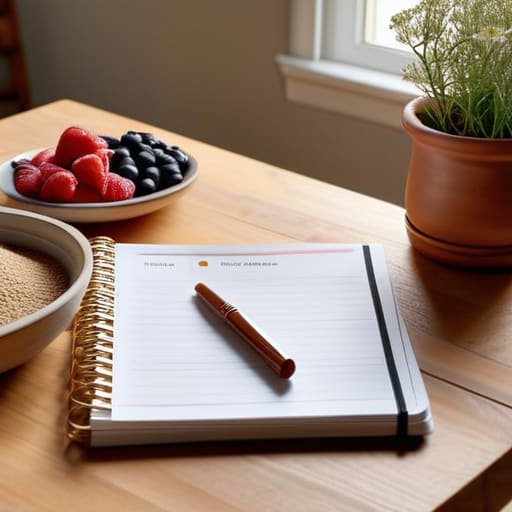
As we wrap up our little workshop on household harmony, remember that organizing your schedule isn’t about creating a rigid set of rules that feels like a chore list. It’s about finding that perfectly balanced recipe where everyone contributes their unique ingredients to the mix. We’ve talked about the importance of dividing labor fairly—much like how I’d portion out flour and sugar for a delicate sponge cake—and how designing a weekly routine gives your home the structure it needs to breathe. By implementing these small, intentional changes, you aren’t just checking boxes; you are building a foundation of respect and shared responsibility that allows your household to run smoothly, even on those chaotic Tuesday afternoons.
At the end of the day, please don’t let the pursuit of a perfect schedule overshadow the reason we do this in the first place. We organize our lives so that we can find more moments for what truly matters—the slow Sunday mornings, the shared laughter over a home-cooked meal, or the quiet peace of finishing a beautiful quilt pattern. Think of your schedule as the canvas for your life, providing the space where your most precious memories can actually take shape. I truly believe that when we master the rhythm of our daily tasks, we create more room for the magic of connection to flourish in every corner of our homes.
Frequently Asked Questions
How do we handle those unexpected "life happens" moments, like a busy week at work or a sudden bout of flu, without the whole schedule falling apart?
Life is a bit like a delicate soufflé—sometimes, despite our best intentions, things just deflate. When a sudden flu hits or work gets overwhelming, don’t view it as a failure of your system. Instead, treat your schedule like a versatile recipe: allow for substitutions. This is when we lean on each other, perhaps by simplifying a meal to something easy or pausing a craft project to prioritize rest. Flexibility is the secret ingredient to resilience.
What's the best way to bring this up with my partner or roommates if I feel like the division of labor isn't actually feeling very fair lately?
Oh, I’ve been there—that heavy feeling when the rhythm of your home starts to feel a little out of sync. Instead of letting resentment simmer like a forgotten pot on the stove, try inviting them into a “kitchen table talk.” Approach it with warmth, using “I” statements like, “I’ve been feeling a bit overwhelmed lately, and I’d love to brainstorm how we can balance things better.” Think of it as a collaborative recipe adjustment, not a critique.
Are there any cute or creative ways to keep the schedule visible in the house that don't just feel like another boring chore list on the fridge?
Oh, I completely understand! A plain list on the fridge can feel so much like a set of demands rather than a shared rhythm. Instead, why not treat it like a piece of home decor? I love using a beautiful framed chalkboard or even a vintage linen wall hanging where you can clip notes with tiny wooden clothespins. It turns your routine into a lovely visual story that feels intentional and warm, rather than just another chore.
