I still remember the first time I had to present a new seasonal menu to the owners of a high-end Manhattan bakery. My heart was racing faster than a whisk in a stand mixer, and I had spent days obsessing over every tiny detail, thinking that more data and fancier slides would somehow prove my worth. But as I stood there, I realized that stuffing a presentation with unnecessary fluff is just like overworking a delicate pastry dough—it ruins the texture and leaves everyone feeling heavy and overwhelmed. When it comes to learning how to present to senior leaders, most people think they need to perform a complex culinary feat, when in reality, they just need to get to the heart of the flavor.
I’m not here to give you a recipe filled with corporate jargon or empty buzzwords that taste like nothing. Instead, I want to share the honest, tried-and-true methods I’ve gathered from years of navigating high-pressure kitchens and creative spaces. I promise to show you how to strip away the clutter and serve up your ideas with clarity and confidence. We’re going to focus on the essential ingredients that actually command a room, ensuring your message is as impactful as a perfectly executed signature dish.
Table of Contents
- Crafting the Perfect Recipe for Executive Presence in Meetings
- Savoring the Truth Through Data Visualization for Leadership
- Five Secret Ingredients for a Presentation That Truly Resonates
- Bringing It All Together: The Final Plating
- The Secret Ingredient to Executive Influence
- Bringing the Whole Dish to the Table
- Frequently Asked Questions
Crafting the Perfect Recipe for Executive Presence in Meetings

Think of your executive presence in meetings like the foundation of a well-loved quilt; it’s the structure that holds all your beautiful details together. You wouldn’t walk into a professional kitchen and start tossing ingredients into a bowl without a plan, right? The same goes for your time in the boardroom. To truly master managing upward through presentations, you need to approach your preparation with the same precision I used when tempering chocolate. It’s about more than just showing up; it’s about carrying yourself with a calm, intentional confidence that tells your audience they are in capable hands.
Just as a recipe relies on the right balance of sweetness and salt, your delivery needs a perfect blend of authority and empathy. When you are briefing senior management effectively, you aren’t just delivering facts; you are curating an experience. You want to lead them through your logic as smoothly as a silk ribbon through fabric. Focus on being concise and steady, ensuring that your presence acts as the perfect vessel for the big ideas you’re about to serve.
Savoring the Truth Through Data Visualization for Leadership
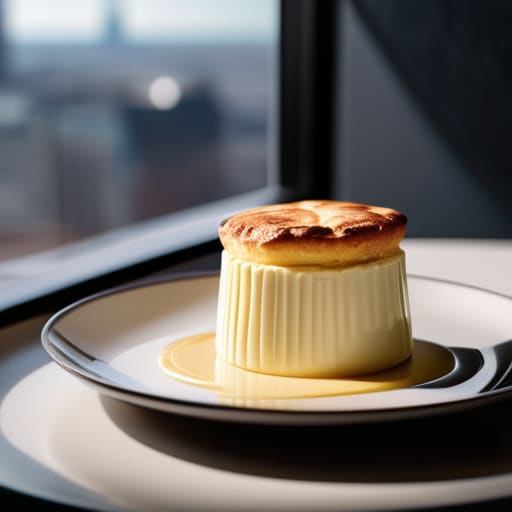
When you’re standing in front of a room full of executives, think of your data like the ingredients in a delicate soufflé. If you throw too much in at once, the whole thing collapses under its own weight. You don’t want to serve them a messy heap of raw numbers; they need something refined and easy to digest. This is where data visualization for leadership becomes your best friend. Instead of overwhelming them with a cluttered spreadsheet, aim to create a visual “plating” that highlights the most important trends. A clean, elegant chart acts like a garnish that draws the eye exactly where it needs to go, making your insights instantly digestible.
Mastering this balance is a vital part of managing upward through presentations. You want to provide enough substance to build trust, but enough clarity to respect their time. I like to think of it as finding that perfect ratio of flour to sugar—too much of one thing, and you lose the balance. By using purposeful visuals, you aren’t just showing numbers; you are telling a clear, compelling story that allows them to make decisions with confidence.
Five Secret Ingredients for a Presentation That Truly Resonates
- Don’t overstuff your plate; just like a delicate mille-feuille, your presentation needs balance. If you pile on too many slides or too much jargon, the core message gets lost in the layers. Focus on the “hero ingredient”—your main objective—and let everything else support it without crowding the space.
- Prep your mise en place before you ever step into the boardroom. Nothing kills a chef’s confidence like realizing they’re missing a crucial spice halfway through a service. Anticipate the tough questions from leadership and have your “side dishes” (the extra data and context) ready to serve if they ask for a deeper taste.
- Read the room like you’re gauging the temperature of a sugar syrup. Senior leaders have different “palates”—some want the quick, sweet summary, while others want to dig into the complex, bitter notes of the risks involved. Adjust your seasoning and your tempo based on their energy and engagement.
- Presentation is about more than just the ingredients; it’s about the plating. A messy, cluttered slide deck is like a poorly plated dish—it distracts from the quality of your work. Keep your visuals clean, elegant, and intentional so that your ideas can truly shine through the presentation.
- Serve with a side of confidence and warmth. Even if you’re feeling a bit nervous, remember that you are the expert in the kitchen. Approach your leaders not as intimidating judges, but as guests you are inviting to share in a vision you’ve carefully crafted from scratch.
Bringing It All Together: The Final Plating
Just like a delicate soufflé, your presentation needs the right amount of structure to hold its shape; don’t let the fluff weigh down your core message.
Treat your data like the star ingredient in a recipe—use it to highlight the most important flavors of your strategy rather than overwhelming the palate with too much information.
Always leave room for a little “seasoning” through storytelling, because while facts provide the substance, it’s the narrative that truly makes your vision stick with the leadership team.
The Secret Ingredient to Executive Influence
“Think of your presentation like a perfectly balanced tart: you don’t want to overwhelm the palate with too many ingredients, you want to highlight the core flavors so clearly that they can’t help but ask for another bite.”
Clara Thompson
Bringing the Whole Dish to the Table

As we wrap up our time in the kitchen today, remember that presenting to leadership is much like finishing a complex pastry: it requires patience, precision, and a keen eye for detail. We’ve talked about cultivating that essential executive presence, ensuring you carry yourself with the confidence of a head chef, and we’ve explored how to serve up your data so it’s as digestible and clear as a perfectly clarified consommé. Don’t let the pressure of the “executive table” intimidate you. If you focus on refining your ingredients—your facts, your delivery, and your visuals—you will find that the conversation flows much more naturally than you ever imagined.
At the end of the day, whether you are stitching together a beautiful quilt or preparing a pitch for the C-suite, it all comes down to the heart you put into the work. Your presentation is more than just a slide deck; it is a way to share your unique vision and invite others to see the world through your lens. So, take a deep breath, trust in the preparation you’ve done, and remember that every great story begins with the courage to share it. Now, go out there and serve up something truly spectacular!
Frequently Asked Questions
What should I do if a senior leader interrupts my flow with a tough question halfway through my "recipe"?
Think of an interruption like a sudden change in temperature while you’re tempering chocolate—it can be startling, but it’s not a disaster! Don’t let it ruin your rhythm. Take a breath, acknowledge the question with a warm smile, and treat it like a new ingredient you’ve just been handed. Answer it directly, then gently fold your presentation back into the flow. It’s all about maintaining that graceful, composed kitchen energy.
How can I keep my presentation from feeling too heavy or overwhelming when the data gets complicated?
Think of complicated data like a rich, heavy chocolate ganache—if you use too much, it becomes overwhelming. To keep things light, focus on “garnishing” your insights. Instead of dumping every ingredient onto the plate, pick the three most important flavors and let them shine. Use simple visuals to provide the texture, and always serve your data with a clear, digestible takeaway so your audience doesn’t feel bogged down by the complexity.
Is there a way to practice my delivery so I feel more confident and less like I'm just reading from a script?
Think of your delivery like perfecting a new pastry recipe. You wouldn’t just read the instructions while the oven is preheating; you have to get your hands in the dough! Try practicing your key points while doing something tactile, like folding laundry or even quilting. It helps the words move from your head to your heart. Focus on the “flavor” of your message rather than memorizing every syllable, and you’ll find your natural rhythm.
