I remember sitting in my grandmother’s kitchen in Vermont, watching her carefully sift flour for a delicate sponge cake. She always told me that if your base isn’t steady, the whole masterpiece will collapse under the heat of the oven. Life has a funny way of throwing us into the heat sometimes, and nothing feels quite as unsettling as facing a sudden change in your career. You might be feeling like the floor is shifting beneath you, wondering exactly how to prepare for redundancy consultation without losing your sense of self in the process. It’s a heavy, doughy feeling in the pit of your stomach, much like the moment a recipe goes completely sideways right before service.
I’m not here to give you some cold, corporate handbook filled with empty buzzwords that don’t actually help when you’re feeling vulnerable. Instead, I want to help you gather your ingredients—your rights, your documents, and your courage—so you can walk into that room with your head held high. Think of this as a guide to crafting your next chapter with intention. I promise to share some straightforward, heartfelt wisdom to help you navigate this bittersweet season with grace and a very clear plan.
Table of Contents
- Mapping the Redundancy Consultation Process Steps
- Preparing for Redundancy Meeting Notes With Care
- Gathering Your Ingredients: 5 Ways to Approach Your Consultation with Confidence
- A Few Gentle Reminders for Your Journey
- Finding Your Center Amidst the Change
- Stitching Together Your Next Steps
- Frequently Asked Questions
Mapping the Redundancy Consultation Process Steps
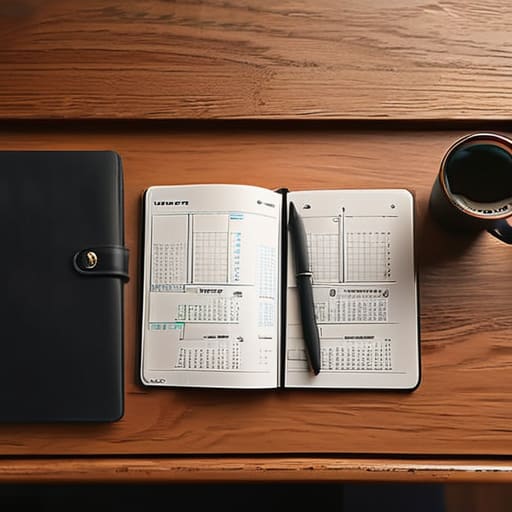
Mapping the Redundancy Consultation Process Steps
Think of this process like following a complex new recipe; if you don’t understand the sequence of ingredients, the final result can feel quite overwhelming. Usually, the redundancy consultation process steps begin with a formal announcement, followed by individual meetings where your employer explains why certain roles are being phased out. It’s not just a single conversation, but a series of discussions designed to explore whether there are any alternative employment opportunities within the company that might suit your skills.
During these stages, it is vital to stay organized, much like how I keep my vintage recipe cards filed by season. I highly recommend preparing for redundancy meeting notes as you go. Writing down what is said helps you stay grounded when emotions run high. This documentation becomes your roadmap, ensuring you can clearly track discussions around your redundancy pay calculation or any other vital details. By treating this period as a structured series of steps rather than one giant hurdle, you can navigate the uncertainty with much more grace and clarity.
Preparing for Redundancy Meeting Notes With Care

When I’m working on a complex quilt pattern, I know that if I don’t keep track of my measurements and fabric scraps, the whole design can fall apart. Preparing for redundancy meeting notes is very similar; you need to capture the fine details while they are still fresh in your mind. I recommend bringing a dedicated notebook to every session to jot down everything from the specific reasons for the proposed changes to any mention of alternative employment opportunities within the company. Don’t just rely on your memory—the nuances of what is said can be just as important as the official documents handed to you.
As you’re writing, try to stay as objective as possible, much like following a precise recipe. Record the dates, the names of those present, and any specific figures discussed regarding your redundancy pay calculation. If something feels off or if you feel your rights aren’t being clearly addressed, make a note of it immediately. Having a clear, chronological paper trail is your best tool for ensuring you have the necessary information if you ever need to seek advice regarding your employment law redundancy rights later on.
Gathering Your Ingredients: 5 Ways to Approach Your Consultation with Confidence
- Know your recipe before you start. Just as I wouldn’t dive into a complex soufflé without reading the instructions twice, make sure you’ve thoroughly read your company’s redundancy policy and your employment contract. Knowing the “official recipe” helps you spot if something feels a bit off during the meeting.
- Assemble your support crew. Sometimes, when a recipe gets too complicated, I call my grandmother for advice; you should do the same. Whether it’s a trusted friend, a legal professional, or a union representative, having someone in your corner—even if they aren’t in the room—can help you keep your head clear.
- Keep a tidy workspace with a paper trail. In the kitchen, I always keep my handwritten notes and old recipe cards organized so I don’t lose a vital step. For your consultation, gather all your recent performance reviews, emails, and any documentation regarding your role. Having these “ingredients” ready means you won’t be scrambling to remember details when the pressure is on.
- Practice your “tasting” questions. You wouldn’t serve a dish without tasting it first, so don’t leave the meeting without asking the hard questions. Prepare a list of specific queries regarding your redundancy package, notice periods, and any potential for alternative roles. It’s much better to ask now than to realize you missed a crucial detail later.
- Mind your emotional temperature. Much like tempering chocolate, you have to be careful with the heat. It’s completely natural to feel overwhelmed, but try to approach the consultation with a calm, steady hand. Aim to be professional and composed, which will allow you to listen more effectively and respond with clarity rather than impulse.
A Few Gentle Reminders for Your Journey
Treat your preparation like a complex recipe; having your notes organized and your questions ready will help you stay steady when the kitchen gets a little heated.
Remember that this process is just one chapter in your much larger story, and taking the time to document everything now protects your future self.
Be kind to yourself through the uncertainty, knowing that just like a quilt made of many different scraps, your career is built from many unique and valuable experiences.
Finding Your Center Amidst the Change
Preparing for a redundancy consultation can feel a bit like standing before a complex, unfamiliar recipe when you’re already feeling a little overwhelmed; it’s daunting, but if you take a deep breath and gather your thoughts with the same intention you’d use to prep your kitchen, you’ll find the strength to navigate the process with grace and clarity.
Clara Thompson
Stitching Together Your Next Steps

As we wrap up this guide, I want you to take a deep breath and remember that preparation is your most valuable tool. We’ve talked about mapping out the entire process so you aren’t caught off guard, and we’ve looked at how to gather your notes with the same precision I use when measuring out delicate ingredients for a soufflé. By understanding the steps and organizing your thoughts ahead of time, you aren’t just reacting to a situation; you are taking agency over your own narrative. Remember, having your documentation ready and your questions written down is how you ensure your voice is heard during those heavy conversations.
I know that facing a redundancy consultation can feel like a sudden change in the recipe of your life, perhaps even a bit overwhelming. But just like when a quilt loses a pattern or a dough fails to rise, a setback is often just the precursor to a beautiful new creation. This moment is a transition, not a final destination. Use this time to gather your strength and reimagine your future with intention. You have the skills, the resilience, and the story to tell, and I truly believe that the most wonderful chapters are often the ones we didn’t see coming.
Frequently Asked Questions
Should I bring a witness or a colleague with me to the meeting for support?
Think of this meeting like a high-stakes kitchen service; it’s much easier when you aren’t flying solo. You absolutely can—and often should—bring a colleague or a union representative as a witness. While they won’t act as your legal counsel, having a calm presence by your side can help you stay grounded if things feel overwhelming. It’s like having a sous-chef nearby; they can help hold the space while you focus on the task at hand.
How do I handle it if I feel overwhelmed or emotional during the consultation?
When the emotions start to bubble up like a pot left on high heat, please remember to be kind to yourself. If you feel overwhelmed, it is perfectly okay to ask for a short break or even to reschedule the meeting for another day. Just like when a delicate soufflé falls, you need a moment to catch your breath before you can try again. Take a deep breath; your well-being matters most.
Is it okay to ask for a follow-up meeting if I don't feel I've had enough time to process the information?
Oh, absolutely! Please don’t feel like you have to rush through this. Just like when I’m working on a complex quilt pattern or a delicate souffle, you can’t force the process if you aren’t ready. If your head is spinning, it is perfectly okay—and actually very wise—to ask for a follow-up. Take a breath, let the information settle like flour in a bowl, and then request more time to digest everything properly.
