I still remember the frantic, humid chaos of my first professional kitchen in New York, where the scent of simmering mirepoix was constant, but the actual joy of cooking felt miles away. Back then, I thought that learning how to batch cook soup for the freezer meant spending my entire Sunday in a sterile, assembly-line trance, staring at plastic containers like I was working in a factory. I used to believe that if I wasn’t prepping massive, identical vats of broth, I wasn’t doing it “right,” but that approach felt so hollow and stripped the soul right out of the kitchen.
I’m here to tell you that batch cooking shouldn’t feel like a chore or a clinical science experiment. Instead, I want to show you how to treat your freezer like a curated collection of comfort, much like how I organize my vintage quilt scraps. I’ll be sharing my honest, chef-tested methods for building deep, layered flavors that actually thrive after being frozen, ensuring your future self enjoys a meal that tastes like it was made just this morning. We’re going to focus on intentional preparation that saves you time without sacrificing the magic of a homemade meal.
Table of Contents
- Selecting the Best Containers for Freezing Your Liquid Stories
- Smart Portion Control for Meal Prepping Your Future Comforts
- Little Secrets for Keeping Your Homemade Soups Just as Lovely as the Day You Made Them
- Little Lessons for a Hearty Freezer Stash
- A Little Gift from the Past
- A Little Warmth for the Road Ahead
- Frequently Asked Questions
Selecting the Best Containers for Freezing Your Liquid Stories
Selecting the Best Containers for Freezing Your Liquid Stories
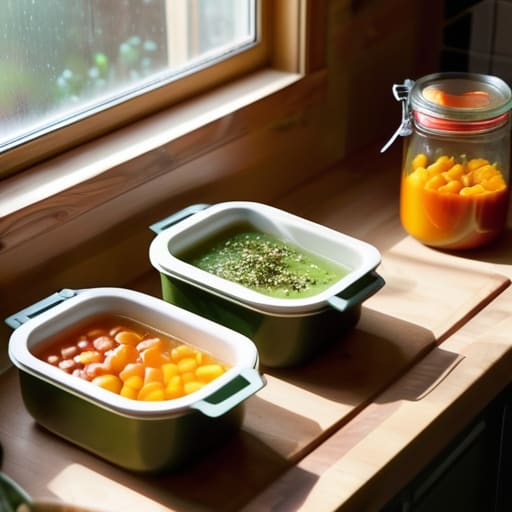
When I was working in professional kitchens, I learned quickly that the vessel is just as important as the recipe itself. Choosing the best containers for freezing soup is really about protecting the integrity of those beautiful flavors you’ve worked so hard to build. I personally love using heavy-duty, BPA-free plastic containers because they are incredibly resilient, but if you’re a fan of the classics, glass mason jars can be lovely too. Just a little tip from my kitchen to yours: always leave about an inch of “headspace” at the top. Liquids expand as they freeze, and you don’t want your hard work creating a messy surprise once it hardens!
If you’re looking to make your life a little easier during those hectic work weeks, I highly recommend focusing on portion control for meal prepping. Instead of freezing one giant pot, try using smaller, single-serving containers. It’s much more efficient for quick lunches, and it’s a wonderful way of preventing soup from freezer burn since you’re only thawing exactly what you need. Think of it like prepping your fabric scraps before a quilting project—having everything organized into manageable pieces makes the whole process feel so much more intentional and joyful.
Smart Portion Control for Meal Prepping Your Future Comforts
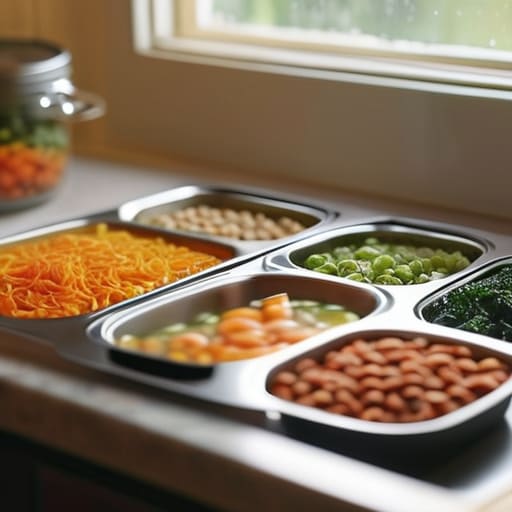
One of the biggest lessons I learned back in the bustling kitchens of NYC is that a little foresight goes a long way. When I’m batch cooking, I try not to think in terms of “big pots,” but rather in “individual servings.” I love using small, single-serve containers for those hectic Tuesday mornings when I only have ten minutes to grab breakfast before heading out. By mastering portion control for meal prepping, you aren’t just saving food; you’re essentially gifting your future self a perfectly measured moment of peace. It’s much more satisfying to pull out one cozy bowl of goodness than to face the daunting task of defrosting a massive, heavy block of frozen broth.
I also find that varying my sizes is key—think larger quart-sized bags for family dinners and tiny ramekins for a quick lunch. This approach is one of my favorite meal prep soup storage tips because it minimizes waste and ensures you only thaw exactly what you need. Plus, it makes the process of how to reheat frozen soup so much smoother, as smaller portions thaw faster and more evenly, keeping that homemade texture just as lovely as the day you first simmered it.
Little Secrets for Keeping Your Homemade Soups Just as Lovely as the Day You Made Them
- Cool your pots down completely before you even think about sealing those lids. I’ve learned the hard way that putting warm soup straight into the freezer can create ice crystals that turn your beautiful broth into a cloudy, watery mess once it’s reheated.
- Go light on the starch if you’re planning to freeze. While a hearty stew is wonderful, things like noodles or potatoes can sometimes lose their perfect texture in the deep freeze, so I love freezing my base and adding a fresh swirl of pasta or a few diced potatoes right when I’m reheating it.
- Leave a little “breathing room” at the top of your containers. Since liquids love to expand as they get colder, leaving about an inch of space ensures your containers don’t crack or pop their seals, keeping all that delicious flavor safely tucked away.
- Label everything with a handwritten note, including the date and a little description. There’s something so nostalgic about seeing “Grandma’s Tomato Basil” on a jar, and it saves you from that mid-week guessing game of what’s actually inside.
- Give your frozen soups a gentle stir or a quick simmer to wake them up. Sometimes the spices like to settle at the bottom during their long nap in the freezer, so a little heat and a stir will bring all those wonderful aromas back to life.
Little Lessons for a Hearty Freezer Stash
Always leave a little “breathing room” at the top of your containers, because as that beautiful soup freezes, it needs a bit of space to expand without cracking your jars.
Label every single batch with the date and a little note about what’s inside—your future self will thank you when you’re staring into the freezer looking for that specific batch of creamy tomato.
Think about how you’ll eventually reheat your creations; freezing in smaller, single-serving portions means you can enjoy a cozy bowl of comfort without having to defrost a whole pot.
A Little Gift from the Past
“Batch cooking soup isn’t just about checking a chore off your list; it’s like sewing a patchwork quilt of comfort for your future self, ensuring that even on the busiest, coldest days, you have a warm, handmade hug waiting in your freezer.”
Clara Thompson
A Little Warmth for the Road Ahead
As you stand in your kitchen, surrounded by the wonderful aromas of simmering broth and fresh herbs, remember that you aren’t just prepping meals; you are building a safety net of comfort. By choosing the right containers to prevent leaks and mastering the art of portioning your soups into manageable, single-serving chapters, you’ve done the heavy lifting. You’ve turned a busy afternoon of cooking into a gift for your future self. Now, all that’s left is to label those containers clearly—perhaps with a little doodle or the date—so that when you reach into that frosty freezer, you know exactly what kind of magic is waiting to be thawed and enjoyed.
I truly believe that there is something so deeply healing about pulling a homemade meal out of the cold and watching it transform into something steaming and soulful. Whether it’s a rainy Tuesday when you’re feeling a bit weary or a frantic morning when time seems to slip through your fingers, these frozen treasures will be there to hold you. So, don’t be afraid to experiment with new spices or unexpected vegetables in your next batch. Every pot is a fresh canvas, and every spoonful is a chance to rekindle that sense of home. Happy cooking, and may your freezer always be filled with delicious stories waiting to be told.
Frequently Asked Questions
Will my soup lose its texture or become mushy once it's been frozen and reheated?
Oh, I completely understand that worry! It’s like worrying a delicate quilt might lose its shape after a wash. To keep your textures lovely, I recommend freezing starchy components like noodles or potatoes separately. If you’re making a creamy soup, let it cool completely before freezing to prevent separation. When you’re ready to reheat, do it gently on the stove; it helps the ingredients “wake up” without losing that beautiful, homemade soul.
Are there certain ingredients, like cream or certain vegetables, that I should leave out of the batch before freezing?
Oh, that’s such a thoughtful question! It’s a bit like choosing the right fabric for a quilt—some things just don’t hold their shape once they’ve been through the wash. I always suggest skipping the heavy cream or delicate dairy; they tend to separate and get a little grainy when thawed. Also, keep an eye on starchy veggies like potatoes. They can turn a bit mealy, so I prefer adding those fresh right before serving to keep everything lovely.
How long can I safely keep these homemade soups in the freezer before they start to lose that fresh, soulful flavor?
While your soups are perfectly safe to eat for months, I always say that flavor has a shelf life, much like a beautiful bloom. For that peak, “just-made” soulful taste, I recommend enjoying your frozen batches within three months. Beyond that, the spices might start to lose their song and the textures can get a little tired. Think of it as enjoying a seasonal harvest while it’s at its very best!
