I still remember the look on my best friend’s face during our first big dinner party together—that tiny, flickering moment of hesitation when she realized she couldn’t touch the centerpiece of the meal. As a former pastry chef, my heart sank; I had spent hours perfecting a delicate tart, only to realize I’d completely overlooked her nut allergy. It was a heavy, quiet realization that the food I thought was a gift of love had actually become a source of anxiety for her. Learning how to cook for someone with allergies shouldn’t feel like navigating a minefield or a chemistry exam, yet so many recipes make it feel like you’re either stripping away all the flavor or spending a fortune on specialized ingredients.
I’m not here to give you a list of complicated substitutions that leave your dishes tasting like cardboard. Instead, I want to share the practical, kitchen-tested secrets I’ve gathered from years of professional baking and messy home gatherings. We’re going to focus on intentional, soulful cooking that prioritizes safety without ever sacrificing the joy of a shared meal. My promise to you is simple: I’ll show you how to weave care and creativity into every recipe, ensuring that everyone at your table feels truly nourished and included.
Table of Contents
Reading Ingredient Statements to Uncover Hidden Stories
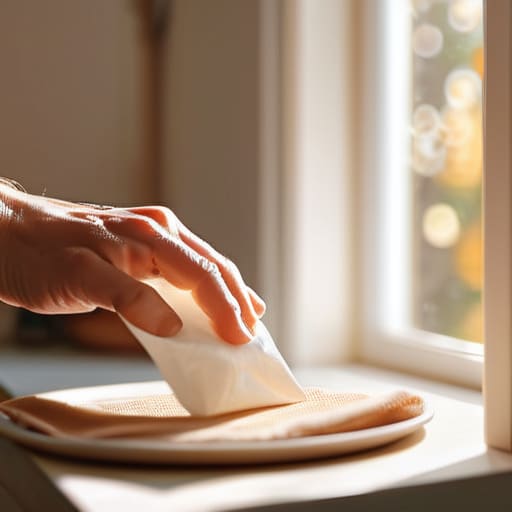
When I was working in those bustling New York bakeries, I learned that a recipe is only as good as the ingredients you start with. It’s easy to get swept up in the excitement of a new flavor profile, but when you’re looking after a loved one, reading ingredient statements becomes your most important tool. I always tell my friends to treat every label like a tiny, written history of that product. You aren’t just looking for the big names like peanuts or dairy; you’re hunting for those sneaky, unexpected visitors. Sometimes a “natural flavor” or a specific stabilizer can hide something that might cause a reaction, so take a slow, mindful moment to scan every line.
It can feel a bit overwhelming at first, almost like trying to decipher a complex pattern in a new quilting project, but it gets easier with practice. I’ve found that keeping a little notebook—much like my vintage recipe books—to jot down known safe brands can save so much stress. Instead of rushing through the grocery aisles, try to view it as a way of protecting the magic of the meal you’re about to create. By being thorough now, you ensure that the story ends with a smile rather than a trip to the doctor.
Finding Magic in Common Food Allergen Substitutes
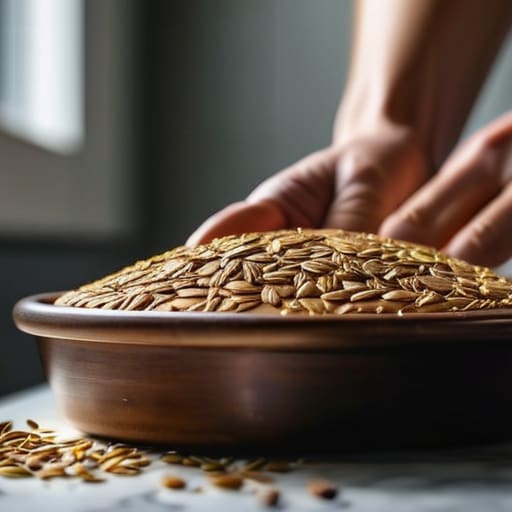
When I first stepped into a professional pastry kitchen, I learned that a recipe is really just a blueprint, and sometimes, we have to redraw the lines to make sure everyone can sit at the table. Finding common food allergen substitutes isn’t about settling for less; it’s about discovering new textures and flavors that might just become your new favorites. For instance, if a recipe calls for eggs to bind a delicate cake, I’ve found that flaxseeds mixed with water can add a lovely, nutty depth. It’s like swapping a silk thread for a sturdy cotton in a quilt—the structure remains, but the character changes beautifully.
Managing food sensitivities in the kitchen also means embracing the creativity of “what if?” If you’re missing dairy, coconut milk or cashew cream can bring a richness that feels incredibly indulgent. I always tell my friends that substitution is an art form, much like choosing the perfect fabric scrap for a patchwork design. By experimenting with these alternatives, you aren’t just avoiding a reaction; you are crafting a bespoke culinary experience that honors your guest’s needs while still celebrating the joy of a delicious meal.
Five Little Ways to Cook with Extra Love and Care
- Clear the Canvas: Before you even reach for your flour or sugar, take a moment to deep-clean your workspace. Think of it like prepping a fresh piece of fabric for a new quilt—you want to make sure there are no stray threads or old scraps left behind that could cause a mishap.
- The Power of the Double-Check: Even if you’ve used a brand of chocolate a dozen times before, always give the label a quick peek. Sometimes companies change their recipes behind the scenes, and we want to make sure every single ingredient tells a safe story.
- Keep Your Tools Separate: If you’re cooking for a whole group, I find it helpful to use dedicated spoons or bowls for the allergy-safe portions. It’s just like keeping my delicate silk threads away from my heavy denim when I’m sewing; it prevents any accidental mixing!
- Trust Your Instincts, But Verify the Source: If you’re ever unsure about a pre-made sauce or a spice blend, don’t be afraid to reach out to the maker or, better yet, make it from scratch. There is so much joy in knowing exactly what went into your bowl.
- Communicate with a Smile: Never feel awkward about asking questions! Whether you’re asking a guest about their specific needs or asking a shopkeeper about their ingredients, remember that these questions are just your way of making sure everyone feels included and cared for at your table.
Small Steps to Cook with Confidence and Heart
Always treat ingredient labels like an old, treasured recipe book—read every single line carefully to make sure no hidden surprises are tucked away in the fine print.
Don’t be afraid to experiment with new ingredients; finding the perfect substitute is just like choosing the right fabric for a quilt, it’s all about discovering what fits beautifully together.
Remember that cooking for an allergy isn’t about what you’re taking away, but about the extra layer of care and love you’re adding to the table to keep everyone safe and happy.
Cooking with a Heart Full of Care
“When we cook for someone with allergies, we aren’t just swapping out ingredients or checking labels; we are carefully tending to the safety of our loved ones, ensuring that every bite they take is wrapped in as much comfort and joy as the very first one we ever shared.”
Clara Thompson
Cooking with Heart and Care
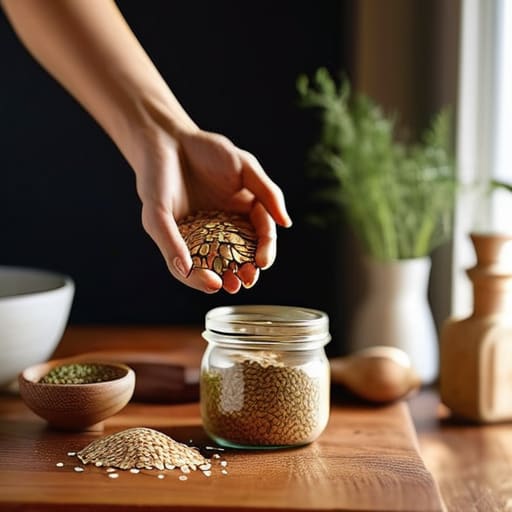
As we wrap up our kitchen journey today, I hope you feel a little more confident stepping into the pantry. Remember, navigating food allergies is all about the small, intentional details—from meticulously reading those ingredient labels to uncovering the wonderful magic of clever substitutes. Whether you are swapping out milk for a creamy oat alternative or double-checking a spice blend for hidden wheat, these steps aren’t just chores; they are the way we ensure everyone at the table can participate in the feast. It might take a few extra minutes of preparation, but building a safe environment is the most delicious ingredient you can ever add to a recipe.
At the end of the day, please don’t let the fear of making a mistake dim your creative spark. Cooking for someone you love is an act of storytelling, and sometimes the most beautiful stories are the ones where we learn, adapt, and grow together. Even if a recipe doesn’t turn out perfectly on the first try, the intention and care you poured into the dish are what people will truly remember. So, grab your apron, trust your instincts, and keep creating. I can’t wait to see the beautiful, safe, and soulful meals you’ll bring to life!
Frequently Asked Questions
How can I keep my kitchen safe from cross-contamination if I'm still using some of the same tools for my regular baking?
Keeping your kitchen safe while still using your favorite tools can feel a bit like trying to quilt with two different types of fabric at once—you have to be extra mindful of the boundaries! I always recommend a “clean sweep” approach. Wash your bowls, whisks, and even wooden spoons thoroughly with hot, soapy water before switching to allergy-friendly batches. If you can, designate a specific set of colorful silicone tools just for allergy-safe days to avoid any mix-ups!
Are there any specific ways to tell if a "hidden" ingredient might be a problem when I'm reading through a brand-new recipe?
When I’m flipping through one of my vintage recipe books or trying a new cookbook, I always keep a little notebook nearby. The trick is to look for “umbrella terms”—words like “spices,” “natural flavors,” or “seasoning blends.” These can sometimes hide allergens like soy, dairy, or gluten. If a recipe feels a bit mysterious, I treat it like a new quilting pattern: I double-check every single thread before I start stitching!
When I'm hosting a big dinner party, what's the best way to make sure my allergy-friendly guests feel just as included and special as everyone else?
The secret to making your guests feel truly cherished is all in the intentionality. Instead of making their meal feel like a “compromise” or an afterthought, try to design a menu where the allergy-friendly option is just as vibrant and delicious as the rest! If you’re serving a beautiful berry tart, make sure your dairy-free guest has a stunning coconut-cream version. When they see you’ve planned for them with such care, they won’t just feel safe—they’ll feel loved.
