I still remember the first time I tried to sauté a batch of cremini in my tiny New York apartment; I thought I was doing everything right, but I ended up with a pan full of grey, rubbery little sponges that tasted more like sadness than forest floor. It was such a heartbreak, especially since I had spent my childhood in Vermont watching my grandmother pull these earthy treasures straight from the damp soil. I realized then that most people—even those with fancy culinary degrees—get one thing wrong when they try to learn how to cook mushrooms properly: they treat them like they’re just another vegetable to be boiled or steamed into submission.
I’m not here to give you a lecture or a list of expensive, specialized equipment you’ll never use. Instead, I want to share the honest, kitchen-tested secrets I picked up from years behind a professional pastry station and a thousand Sunday dinners at home. I promise to show you how to respect their texture and unlock that deep, savory magic through simple, foolproof techniques. We’re going to move past the mushy mistakes and learn how to turn a humble pile of fungi into the absolute star of your next meal.
Table of Contents
Mastering Mushroom Moisture Control for Perfect Textures
Mastering Mushroom Moisture Control for Perfect Textures
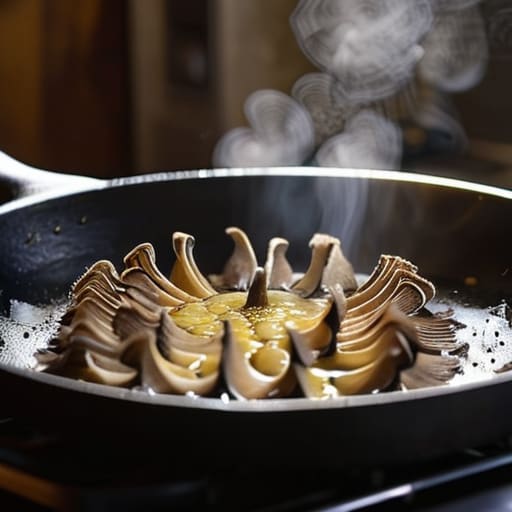
If there is one thing my years in professional pastry kitchens taught me, it’s that patience is just as important as your ingredients. When it comes to mushrooms, the biggest mistake I see is crowding the pan. If you toss too many into the skillet at once, they end up steaming in their own juices rather than searing. This is the fastest way to end up with those sad, grey, rubbery mushrooms that lack any real character. Instead, give them space to breathe! You want that hot surface to kiss each slice, allowing the water to evaporate quickly so the real magic can begin.
Once that initial moisture is gone, you’ll notice the mushrooms starting to turn a lovely shade of brown. This is where the Maillard reaction in mushrooms truly takes over, transforming them from simple fungi into savory little nuggets of gold. This process is essential for deep umami flavor development, turning a simple side dish into something that feels incredibly indulgent. Don’t be afraid to let them sit undisturbed for a minute or two; that golden crust is where the heart of their story lies.
Unlocking Umami Flavor Development Through Heat
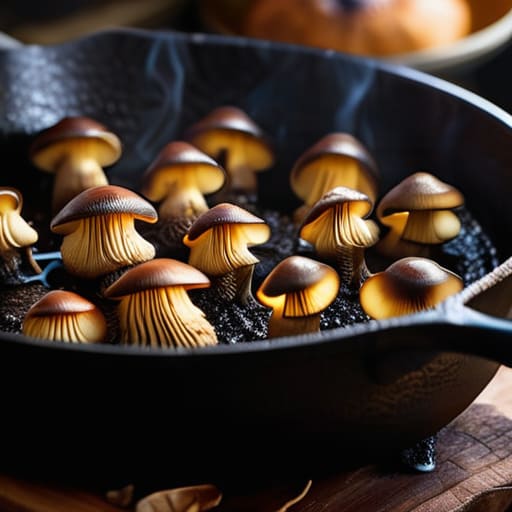
Once you’ve mastered the art of moisture control, it’s time to turn up the heat and get a little adventurous. To truly unlock that deep, savory magic, you need to lean into the Maillard reaction in mushrooms. This isn’t just about making them brown; it’s about creating a complex, soulful layer of flavor that mimics the richness of a slow-simmered stew. I always tell my friends that patience is your best ingredient here. If you rush the pan, you’ll end up with pale, sad fungi. Instead, let them sit undisturbed in a hot skillet until they develop that gorgeous, caramelized crust that signals true umami flavor development.
When it comes to choosing your stars, the best mushrooms for frying are usually the sturdier varieties like Cremini or Shiitake, which hold their structure beautifully under intense heat. As they sear, you’ll notice the aroma shifting from earthy to something almost meaty and intoxicating. Just remember: don’t crowd the pan! If they’re packed too tightly, they’ll steam rather than sear, which is the fastest way to end up preventing rubbery mushrooms from ever reaching their full potential. Give them space to breathe, and they’ll reward you with pure culinary gold.
Five Little Secrets for Mushroom Magic
- Skip the heavy rinsing; instead, give them a gentle wipe with a damp paper towel. Mushrooms are like little sponges, and if they soak up too much water before they hit the pan, they’ll end up steaming instead of searing.
- Give them plenty of breathing room. I know it’s tempting to pile them high, but overcrowding the pan is a recipe for mushiness. Cook them in batches so they have the space to truly brown and develop that gorgeous crust.
- Be patient with your salt. I like to wait until the mushrooms are nearly golden before adding my seasoning. Salt draws out moisture, so if you add it too early, you’ll find yourself swimming in a puddle of mushroom juice rather than enjoying a crisp sauté.
- Don’t be afraid of a little fat. Whether it’s a knob of high-quality butter or a splash of olive oil, mushrooms crave a rich medium to carry those deep, earthy flavors across your palate.
- Finish with a touch of brightness. Just like a final stitch on a quilt, a squeeze of lemon juice or a sprinkle of fresh thyme at the very end pulls all those heavy, savory notes together into a beautiful, cohesive story.
My Little Secrets for Mushroom Success
Respect the moisture; give your mushrooms space to breathe in the pan so they can sear into golden perfection rather than steaming in their own juices.
Don’t be afraid of high heat; it’s the only way to coax out that deep, savory umami that makes a dish feel truly soulful.
Season with intention, adding your salt and herbs toward the end to keep those delicate textures from getting lost in the process.
The Heart of the Sauté
“Cooking mushrooms is a lot like quilting; you can’t rush the layers. If you crowd the pan or rush the heat, you lose that beautiful, soulful texture, but if you give them the space and the time to truly brown, they transform from simple ingredients into a rich, golden story on your plate.”
Clara Thompson
Bringing the Magic to the Table
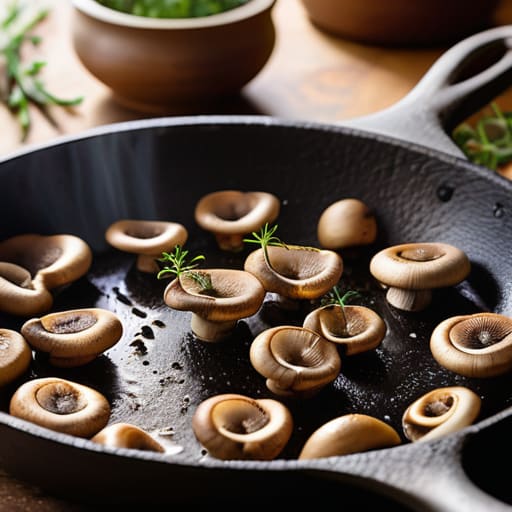
As we wrap up our little kitchen adventure, just remember that cooking mushrooms is really an exercise in patience and respect. By mastering that delicate dance of moisture control and giving them enough space to truly sear into golden perfection, you’re doing more than just following a recipe; you’re unlocking a deep, earthy umami that transforms a simple meal into something extraordinary. Whether you’re sautéing delicate creminis for a weekday pasta or roasting meaty porcinis for a Sunday roast, remember to treat them with the heat they deserve and avoid the temptation to crowd the pan.
At the end of the day, I hope these tips help you feel a little more confident stepping up to the stove. To me, a perfectly cooked mushroom is a lot like a well-loved quilt—it’s about layering textures and flavors until they create something warm and comforting. Don’t be afraid to experiment, to taste as you go, and to let your intuition guide you through the steam and the scents. Cooking should always feel like a cozy conversation, so grab your favorite pan, put on some music, and go create a delicious new story in your own kitchen. I can’t wait to hear how yours turns out!
Frequently Asked Questions
Should I be worried about washing my mushrooms under the tap, or is there a better way to get them clean without making them soggy?
Oh, I hear this question all the time, and honestly, it’s a bit of a culinary debate! If you’re a bit of a perfectionist like me, try to avoid a heavy rinse under the tap. Mushrooms act like little sponges, soaking up water and losing that lovely, meaty texture we’re after. Instead, grab a damp paper towel or a soft brush to gently wipe away any bits of earth. It keeps them pristine without the sogginess!
I notice some recipes call for adding salt at the beginning while others say to wait until the end—which one actually helps with that perfect golden sear?
Oh, I’ve been there! It’s one of those kitchen debates that can feel a bit tricky. If you’re chasing that gorgeous, golden sear we talked about, hold off on the salt. Salt is a bit of a moisture magnet; if you sprinkle it in too early, it draws water out of the mushrooms, and suddenly you’re steaming them in a pan instead of sautéing them. Wait until they’ve developed that beautiful color, then season!
Is it okay to mix different types of mushrooms in the same pan, or will they all end up competing for attention and releasing too much liquid?
Oh, I love that question! It’s like mixing different fabrics in a quilt—it can be beautiful, but you have to respect how each piece behaves. You can absolutely mix them, but don’t just toss them all in at once. I usually start with the heartier ones, like cremini, and add the delicate oyster or shiitake later. This way, you avoid a watery mess and let each mushroom’s unique personality truly shine.
