I remember standing in the middle of a sweltering professional kitchen in Manhattan, the scent of burnt sugar and heavy cream hanging thick in the air, while my head chef barked orders that made absolutely zero sense. It was one of those frantic, high-pressure moments where you realize that no matter how perfect your pastry is, it won’t matter if you aren’t in sync with the person running the show. I used to think that learning how to manage upwards meant playing some sort of corporate chess game or sucking up to the boss, but I quickly learned that it’s actually much more like perfecting a delicate soufflé. It requires intuition, timing, and knowing exactly when to apply heat and when to step back.
I’m not here to give you a bunch of hollow, boardroom-style platitudes that sound good in a textbook but fall apart the moment things get messy. Instead, I want to share the real-world ingredients for building a functional, respectful relationship with your leadership. We’re going to look at how to communicate your needs clearly and how to anticipate their expectations before they even realize they have them. Think of this as your no-nonsense recipe for navigating professional hierarchies with grace, strength, and a little bit of heart.
Table of Contents
- Building Trust With Leadership Through Authentic Connection
- Understanding Manager Work Styles to Perfect Your Recipe
- Five Secret Ingredients for a Smoother Professional Bake
- The Secret Ingredients for a Smooth Professional Bake
- The Secret Ingredient of Support
- The Final Fold: Bringing Your Recipe Together
- Frequently Asked Questions
Building Trust With Leadership Through Authentic Connection

Think of building a relationship with your manager much like how I approach a complex patchwork quilt. You can’t just throw scraps of fabric together and hope for a masterpiece; you have to understand how the pieces fit, the tension of the thread, and the pattern that holds it all together. In the same way, building trust with leadership isn’t about performing magic tricks or being a “yes” person. It’s about showing up with consistency and a genuine desire to support the larger vision. When you take the time to truly focus on understanding manager work styles—whether they prefer a quick morning text or a detailed weekly email—you’re essentially learning the recipe for their success.
Once you grasp those nuances, you can start layering in more intentionality. I’ve found that the most beautiful results come from a steady, rhythmic process rather than sudden bursts of effort. By implementing proactive communication strategies, you take the guesswork out of the equation for your boss. Instead of waiting for them to come to you with questions, you offer updates before they even have to ask. It’s that little bit of extra care, much like the dusting of flour on a workspace, that makes everything run smoothly and builds a foundation of true reliability.
Understanding Manager Work Styles to Perfect Your Recipe
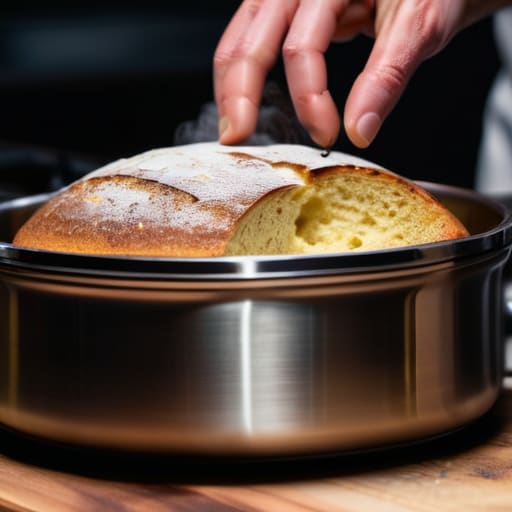
Think of your manager like a complex recipe; you can’t expect a perfect result if you don’t understand the base ingredients. Just as I learned that a delicate soufflé requires a completely different temperament than a hearty sourdough, every leader has a unique rhythm. Some bosses are like a high-heat convection oven—they want things done fast and intense—while others are more like a slow-cooker, preferring steady progress and detailed updates. Understanding manager work styles is really about learning their “flavor profile.” Do they want a quick text update, or do they prefer a long, structured email? Once you figure out their preferred way of “cooking,” you can tailor your approach to suit them perfectly.
Once you’ve grasped their tempo, you can start fine-tuning your professional relationship management by anticipating their needs. It’s much like prepping your mise en place before the rush hits a busy kitchen. If you know your manager thrives on data-driven decisions, don’t just show up with a vague idea; bring the measurements and the “why” behind them. By aligning your delivery with their natural style, you aren’t just following orders—you are crafting a seamless partnership that makes everyone’s life a little sweeter.
Five Secret Ingredients for a Smoother Professional Bake
- Anticipate the Needs Before the Oven Preheats. Just like I know exactly when my dough needs a little extra humidity in a dry kitchen, you can learn to spot what your manager needs before they even ask. If you know they have a big presentation every Thursday, send them your updates on Wednesday afternoon. It’s that little bit of foresight that makes everything rise perfectly.
- Master the Art of the “Mise en Place.” In a professional kitchen, we never start cooking without having every single ingredient measured and ready to go. Apply that same discipline to your meetings. When you walk into your boss’s office, have your data, your questions, and your proposed solutions laid out clearly. It shows you respect their time and that you’re prepared for the heat.
- Communicate with Clarity, Not Clutter. Sometimes, when I’m explaining a complex pastry technique, I realize I’ve used too many fancy words and lost the essence of the recipe. Don’t do that with your boss. Avoid the “fluff” and get straight to the point. Whether it’s a quick Slack message or a formal email, keep your updates concise, actionable, and easy to digest.
- Offer Solutions, Not Just Spilled Milk. We’ve all had a moment where a souffle falls or a batch of cookies burns—it happens! But in a professional setting, instead of just reporting a problem, bring a “recipe” for how to fix it. Saying, “We hit a snag with the vendor, but I’ve already scouted two backups,” is much more helpful than just saying, “The vendor let us down.”
- Find Your Shared Flavor Profile. At the end of the day, you and your manager are on the same team, working toward the same delicious result. Take the time to understand their high-level goals and how your “ingredients” contribute to the big picture. When your work directly supports their vision, you aren’t just an employee; you’re an essential part of the recipe for success.
The Secret Ingredients for a Smooth Professional Bake
Think of your manager as your head chef; you don’t need to be them, but you do need to understand their kitchen standards and how they like the mise en place organized to keep the service running smoothly.
Consistency is your best friend, much like a reliable sourdough starter. By delivering steady, high-quality work and being someone they can count on, you build the kind of trust that makes even the most stressful shifts feel manageable.
Don’t be afraid to present your ideas with a little bit of flair and a lot of preparation. Just like a beautifully plated dessert, a well-thought-out suggestion with the “why” behind it is much easier for leadership to swallow and support.
The Secret Ingredient of Support
Managing your relationship with a leader is a lot like perfecting a delicate soufflé; you can’t force it to rise by poking at it. Instead, you have to understand the temperature of their expectations and provide just the right amount of steady, reliable support so that together, you can create something truly spectacular.
Clara Thompson
The Final Fold: Bringing Your Recipe Together

As we wrap up this little guide, remember that managing upwards isn’t about changing who your boss is; it’s about learning how to blend your strengths with their needs. Just like when I was perfecting a delicate mille-feuille, you have to understand the layers you’re working with. By building that foundation of authentic trust and carefully studying their unique work style, you aren’t just making your job easier—you are actively crafting a more harmonious environment for everyone involved. It takes a bit of patience and a lot of observation, but once you find that perfect equilibrium, the professional results are incredibly sweet.
At the end of the day, I like to think of your career as a beautiful, handmade quilt. Every interaction, every successful project, and every moment of thoughtful communication is a new patch sewn into the fabric of your professional reputation. Don’t be afraid to experiment with new ways of connecting or to adjust your “ingredients” when a certain approach doesn’t quite rise as expected. Keep leaning into curiosity and kindness, and I promise you’ll find that creating a meaningful partnership with leadership is one of the most rewarding crafts you will ever master. Happy creating!
Frequently Asked Questions
How do I start managing upwards if my boss is someone who prefers to micromanage every little detail?
Dealing with a micromanager can feel a bit like trying to bake a delicate soufflé while someone keeps opening the oven door—it’s nerve-wracking! The trick is to get ahead of them. Instead of waiting for them to ask, try “pre-filling” their needs. Send a quick, proactive morning update with your plan for the day. If you provide the details before they even think to ask, you’ll slowly build the trust needed to let them step back.
Is there a way to suggest a new way of doing things without making it seem like I'm criticizing their current methods?
Think of it like suggesting a new spice to a classic recipe. You wouldn’t tell a chef their soup is bland; instead, you’d say, “I’ve been experimenting with a bit of smoked paprika lately, and I wonder if that warmth might add a lovely layer to our signature broth?” Frame your idea as an “addition” or an “experiment” rather than a correction. It keeps the conversation creative and collaborative rather than critical.
How can I maintain my own creative boundaries while still being helpful and proactive for my leadership team?
Think of your energy like a precious batch of sourdough starter; if you give it all away to every random request, you’ll have nothing left for your own masterpiece. To stay helpful without burning out, try setting “kitchen timers” for your tasks. Define your core responsibilities clearly, and when a new request comes in, ask how it fits into the current menu. It’s not about saying no; it’s about protecting your ability to deliver excellence.
