I still remember those frantic Tuesday nights back when I was working the line in a busy New York pastry kitchen. Between perfecting delicate mille-feuille and managing temperamental chocolate, there were moments when a quick, savory soup was the only thing standing between me and total exhaustion. I used to feel so much guilt for reaching for those little salty squares, thinking I was somehow “cheating” at cooking. But let’s be honest: we don’t have time to simmer bones for twelve hours every single weeknight, and there is absolutely no shame in using a shortcut. The real secret isn’t about avoiding the cube; it’s about learning how to improve a stock cube so it tastes like it was crafted from scratch in a cozy Vermont kitchen.
I’m not here to give you any fancy, expensive culinary secrets that require a pantry full of exotic spices you’ll never use again. Instead, I want to share the simple, soulful tweaks I’ve learned from years of professional cooking and home experimentation. I promise to show you how to infuse those little cubes with real depth and character using basic pantry staples. Together, we’re going to turn a humble convenience item into a delicious foundation for your next family meal.
Table of Contents
Enhancing Bouillon Flavor With a Touch of Magic
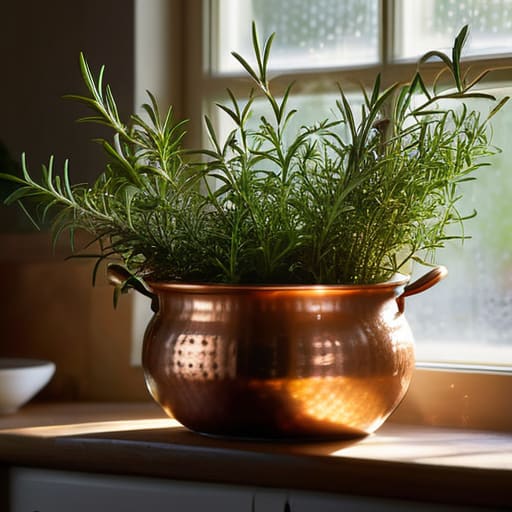
Sometimes, I feel like a stock cube is just a blank canvas waiting for a little bit of inspiration. If you’re looking for a quick way to elevate your base, I always suggest adding fresh herbs to bouillon right as it begins to simmer. I love reaching for a sprig of woody rosemary or a few bay leaves—it’s like adding a soft, fragrant layer to a quilt. These little touches transform a standard liquid into something that feels intentional and deeply comforting.
If you want to go even deeper, you can experiment with a few umami boosting ingredients to give your broth some real backbone. A small spoonful of tomato paste, a splash of soy sauce, or even a tiny bit of miso can work wonders. These additions act like the hidden stitches in a beautiful quilt, providing strength and complexity that you can’t quite see, but you can definitely taste. It’s all about enhancing bouillon flavor by layering these subtle, savory notes, turning a simple pantry staple into the soulful foundation of your next great meal.
Stock Cube Seasoning Tips for a Deeper Story
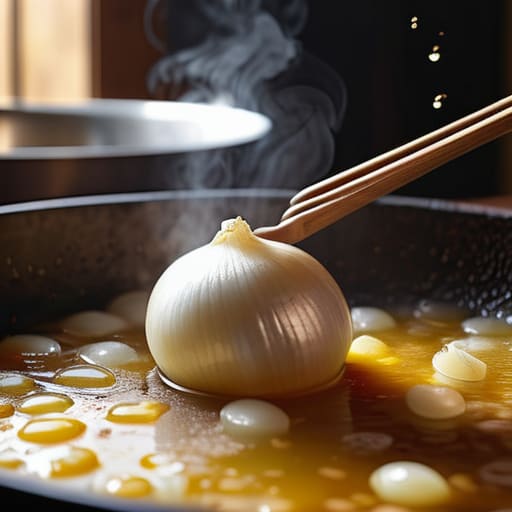
When I was working the pastry line in the city, I learned that even the simplest base can be transformed if you treat it with a little respect. Think of your bouillon as a blank canvas rather than a finished painting. One of my favorite stock cube seasoning tips is to sauté a little bit of finely minced onion and garlic in butter before you even add your water. This small step builds a foundation of warmth that makes the bouillon feel less like a pantry staple and more like a slow-simmered treasure.
If you’re looking for that deep, savory richness that usually takes hours to achieve, I highly recommend experimenting with umami boosting ingredients. A tiny splash of soy sauce, a teaspoon of tomato paste, or even a drop of Worcestershire sauce can work wonders. These additions add layers of complexity that mimic the depth of homemade stock base alternatives. It’s all about building those subtle notes that linger on the palate, turning a quick midweek soup into a cozy, soulful meal that feels like a warm hug from the inside out.
Little Tweaks for Big Flavor: My Secret Pantry Shortcuts
- Don’t be afraid to deglaze your pan with a splash of dry white wine or a bit of sherry before adding your water; it adds a sophisticated, bright acidity that cuts right through that heavy, salty bouillon taste.
- I always keep a jar of toasted garlic cloves or even some homemade onion powder nearby; stirring a spoonful into your simmering stock adds a layer of warmth and “homemade” depth that a cube just can’t reach on its own.
- If your broth feels a little one-note, try whisking in a teaspoon of tomato paste. It adds a gorgeous, rich color and a subtle umami backbone that makes your soup feel like it’s been simmering on a Vermont stove all afternoon.
- Freshness is everything, so grab a bundle of thyme or a bay leaf from the garden. Letting those herbs steep in the hot stock while it simmers infuses the liquid with an earthy, aromatic soul.
- A tiny knob of unsalted butter or a drizzle of high-quality olive oil can work wonders. It gives the broth a silky, luxurious mouthfeel, turning a simple liquid into something that feels truly indulgent and comforting.
Making Your Broth Truly Your Own
Treat your stock cube as a blank canvas rather than a finished product; by adding fresh aromatics like garlic or a splash of bright acidity, you turn a simple shortcut into a soulful base.
Layer your flavors like you would layers in a quilt—start with the salty foundation of the cube, but build depth with toasted spices and slow-simmered herbs to create a rich, complex narrative.
Don’t be afraid to experiment with “pantry treasures” like a spoonful of tomato paste or a bit of leftover roasted veg to infuse your broth with the unique warmth of a home-cooked meal.
The Secret Ingredient is Soul
“A stock cube shouldn’t be the final word in your kitchen; think of it as a blank canvas. When you stir in a handful of fresh thyme or a splash of bright acidity, you aren’t just making soup—you’re turning a quick shortcut into a heartfelt, homemade memory.”
Clara Thompson
Bringing the Story Full Circle
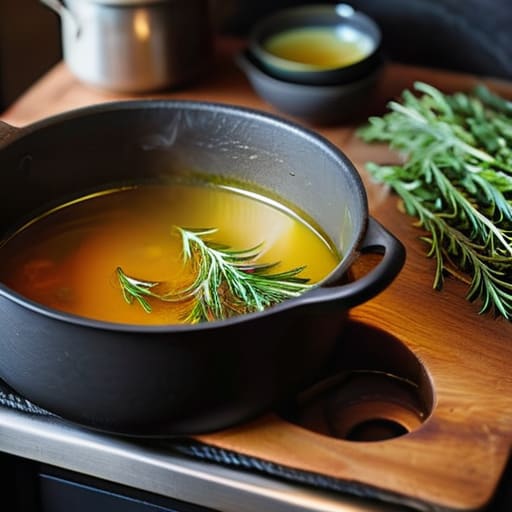
At the end of the day, transforming a simple stock cube is all about those little extra steps that show you care. Whether you’re sautéing fresh aromatics like onions and garlic to build a base, stirring in a splash of bright acidity, or letting a handful of dried herbs steep in the liquid, you are moving far beyond the convenience of a bouillon packet. Remember, it’s not just about salt and savory notes; it’s about layering depth and character into every spoonful. By treating that little cube as a starting point rather than a finish line, you can turn a quick weeknight soup into something that feels truly intentional and homemade.
I often think about how much a small change can alter the entire feeling of a meal, much like how a single colorful scrap of fabric can change the whole mood of a quilt I’m working on. Cooking shouldn’t feel like a chore or a series of rigid rules; it should be an invitation to play and experiment with what you have in your pantry. So, the next time you reach for that cube, I hope you feel inspired to add your own unique little twist. Go ahead and make it your own, because the most delicious stories are the ones we write with a little bit of extra love and a whole lot of soul.
Frequently Asked Questions
If I’m adding extra ingredients to my stock, how do I make sure I don't accidentally overpower the delicate flavors of my soup or stew?
Oh, I’ve been there! It’s so easy to get carried away when you’re layering flavors. My best advice? Think of your stock like a quilt; you want each patch to shine without one color taking over. Start small. Add your extra ingredients—maybe a sprig of thyme or a slice of ginger—one at a time, and let them simmer for a bit before tasting. This way, you can gently build the flavor profile without losing that delicate, beautiful balance.
Can I use these same seasoning tricks to elevate a quick pan sauce, or should I stick to using them in liquid-based broths?
Oh, you absolutely can! In fact, using those same seasoning tricks for a pan sauce is one of my favorite little kitchen secrets. Think of a pan sauce as a concentrated, velvety chapter of your meal rather than a long, simmering tale. Just be careful not to let the flavors get too intense too quickly—since there’s less liquid to dilute them, a little bit of magic goes a long way!
Is there a specific way to store my homemade herb and spice blends so they stay fresh enough to use whenever I reach for a stock cube?
Oh, I love that you’re thinking ahead! Just like a delicate pastry crust, your spice blends need the right environment to stay wonderful. I always tuck my homemade blends into small, airtight glass jars—mason jars are my absolute favorite for that cozy, vintage feel. Keep them tucked away in a cool, dark pantry, far from the steam of the stove. This keeps those beautiful aromas from fading, so every time you reach for them, they’re just as vibrant as the day you mixed them.
